
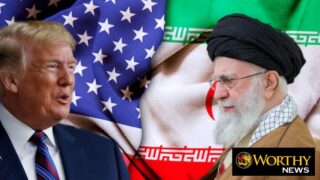
by Emmitt Barry, Worthy News Washington D.C. Bureau Chief
(Worthy News) – The third round of nuclear negotiations between the United States and Iran ended Thursday amid sharply conflicting assessments, as diplomatic maneuvering unfolded alongside one of the largest U.S. military buildups in the Middle East in years.
Iranian state media initially reported that the United States left the negotiating table during talks in Switzerland. However, Badr bin Hamad al-Busaidi, serving as mediator, described the discussions as having made “significant progress,” announcing that technical-level talks will continue next week in Vienna.
Abbas Araghchi said negotiations had entered “very serious” elements of both nuclear and sanctions issues. He confirmed that Tehran submitted a new proposal ahead of the Geneva meetings and indicated another round could take place in less than a week.
A U.S. official speaking to Axios described the talks as “positive,” though earlier reports suggested that American envoys Steve Witkoff and Jared Kushner were disappointed with Iran’s position during morning sessions.
Core Disputes Remain
Despite diplomatic language suggesting progress, substantial gaps persist.
Iran categorically rejected U.S. demands to dismantle key nuclear facilities, transfer enriched uranium stockpiles abroad, and permanently end uranium enrichment. Tehran insists enrichment is a sovereign right and has proposed only a temporary freeze for a limited period.
“Our proposal affirms that uranium enrichment is a sovereign right,” an Iranian official told Al Jazeera, adding that “zero enrichment forever” is “completely rejected.”
According to reports, Washington is demanding:
• Full dismantlement of Iran’s major nuclear sites at Fordow, Natanz, and Isfahan
• Transfer of all enriched uranium out of Iran
• Permanent, non-expiring restrictions on enrichment
• Rollback of ballistic missile production
The Trump administration is reportedly offering limited sanctions relief in exchange for compliance.
President Donald Trump reiterated this week that he “will never allow the world’s number one sponsor of terror… to have a nuclear weapon.”
Military Pressure Mounts
As talks continue, the United States has significantly expanded its military footprint in the region. At least two dozen fighter jets — including F-35s — have crossed the Atlantic and are joining forces with those already positioned across the Middle East.
Naval assets now include the aircraft carrier USS Abraham Lincoln and an additional destroyer, the USS John Finn, operating alongside more than a dozen warships in the northern Arabian Sea, Gulf of Oman, and Persian Gulf.
The deployment provides Washington with options ranging from limited precision strikes on nuclear facilities to broader operations targeting regime infrastructure.
Iranian Parliament Speaker Mohammad Bagher Ghalibaf warned that any American military action would trigger a “remorseful response.”
Diverging Narratives
While Oman’s mediator expressed optimism about “unprecedented openness to new and creative ideas,” The Wall Street Journal reported the two sides remain “far apart on key issues.”
Israeli officials, speaking anonymously to Hebrew media, suggested the gaps are increasingly difficult to bridge.
The next phase is expected to involve technical discussions at the UN nuclear watchdog in Vienna. Whether those meetings narrow differences or merely delay confrontation remains unclear.
For now, diplomacy continues — but under the shadow of growing military force and hardening red lines on both sides.
Copyright 1999-2026 Worthy News. This article was originally published on Worthy News and was reproduced with permission.
Latest News from Worthy News

Hezbollah Secretary-General Naim Qassem on Thursday rejected a U.S.-brokered ceasefire framework between Israel and Lebanon, warning that the Iran-backed terrorist group would continue attacks as long as Israeli military operations continue in Lebanon.

Several Republican governors are marking June with observances centered on traditional family values, offering a contrast to the month’s broader association with LGBT Pride celebrations.

Israel’s Mossad reportedly carried out a covert operation to supply Kurdish militias with weapons and military aid as part of a broader effort to destabilize Iran’s ruling regime, according to recent investigative reports in Israeli media.

California’s primary election results remained unresolved Thursday, with two of the state’s most closely watched contests — the governor’s race and the Los Angeles mayoral race — still unsettled as officials continued counting mail-in and provisional ballots.

The Department of War has officially reduced the number of recognized religious affiliation codes available to U.S. service members, cutting the list from more than 200 faith codes to 31 in a sweeping reform of the Military Chaplain Corps.

Israel and Lebanon have agreed to a ceasefire provided the Iranian-backed Hezbollah movement also halts hostilities and withdraws its operatives from areas south of the Litani River, the United States announced Thursday.

President Donald Trump has signed an executive order directing the Centers for Disease Control and Prevention and its vaccine advisory panel to review a Department of Health and Human Services assessment calling for a reduced core childhood vaccine schedule, marking a major shift in federal public health policy.