

by Stefan J. Bos, Worthy News Chief International Correspondent
WASHINGTON/JERUSALEM (Worthy News) – Israel and Lebanon have agreed to a ceasefire provided the Iranian-backed Hezbollah movement also halts hostilities and withdraws its operatives from areas south of the Litani River, the United States announced Thursday.
The White House said the agreement is contingent upon a complete cessation of attacks by Hezbollah, which has been designated a terrorist organization by the United States and most of its allies, as well as the withdrawal of the group’s fighters from Lebanese territory near Israel’s northern border.
In a statement, Washington said Israel and Lebanon had reaffirmed that they have “no hostile intent” toward one another and pledged to continue direct negotiations aimed at building confidence, resolving outstanding disputes, and working toward a broader agreement between the neighboring countries.
There was no immediate indication that Hezbollah had formally accepted the proposed terms.
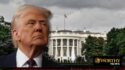
President Donald J. Trump said earlier this week that he had spoken with what he described as “highly placed representatives” of Hezbollah and claimed they had agreed that all shooting between the group and Israel would stop.
REGIONAL PEACE EFFORTS
The ceasefire initiative comes as the Trump administration seeks to preserve wider diplomatic efforts involving Iran amid growing regional tensions and political pressure to prevent a broader conflict.
Iran has repeatedly demanded an end to Israeli strikes on Hezbollah targets in Lebanon as part of any wider arrangement to ease tensions across the Middle East.
The announcement followed days of renewed Israeli military activity against Hezbollah positions in Lebanon and reports of direct discussions between Trump and Israeli Prime Minister Benjamin Netanyahu.
The two leaders have appeared to differ at times over the scope and pace of efforts to de-escalate the conflict, highlighting broader differences between Washington and Jerusalem over how a lasting regional settlement should be achieved.
Trump acknowledged his frustration with the continued fighting, saying in an interview released Wednesday that he was “a little bit perturbed” by the ongoing clashes involving Lebanon.
WIDER REGIONAL CONCERNS
The ceasefire proposal comes against the backdrop of continuing U.S.-Iran tensions despite an April ceasefire agreement between Washington and Tehran.
Recent exchanges involving U.S. and Iranian forces have raised concerns about renewed escalation, while hostilities have affected several Gulf states and heightened fears among foreign workers and residents.
Iran launched missile and drone attacks against Kuwait and Bahrain this week, according to regional authorities and U.S. officials. In Kuwait, a strike on Kuwait International Airport killed at least one person, injured dozens of others, and caused significant damage to Terminal 1, forcing a temporary suspension of flights. Bahraini authorities said air-raid sirens were activated and incoming missiles and drones were intercepted. The incidents added to residents’ concerns.
“Yesterday night there was so much noise. I could not sleep because of the bombings,” a Filipino Christian domestic worker in Bahrain told Worthy News. “It was very loud,” she added, speaking on condition of anonymity due to security concerns.
The woman said the violence heightened fears among expatriate workers and residents that the conflict could spread beyond its main battlegrounds.
DIPLOMATIC EFFORTS CONTINUE
Officials remain engaged in negotiations on several issues beyond Lebanon, including maritime security, regional stability, and the future of relations between Iran and its regional rivals.
Earlier Wednesday, Trump spoke by telephone with Qatari Emir Sheikh Tamim bin Hamad Al-Thani, who emphasized the importance of political dialogue and diplomatic solutions to regional disputes, according to Qatar’s state news agency.
The latest ceasefire proposal is being closely watched as a possible step toward reducing tensions along Israel’s northern frontier and preventing a wider Middle East war that could further destabilize the region and threaten civilians across multiple countries.
Copyright 1999-2026 Worthy News. This article was originally published on Worthy News and was reproduced with permission.
Latest News from Worthy News

Hezbollah Secretary-General Naim Qassem on Thursday rejected a U.S.-brokered ceasefire framework between Israel and Lebanon, warning that the Iran-backed terrorist group would continue attacks as long as Israeli military operations continue in Lebanon.

Several Republican governors are marking June with observances centered on traditional family values, offering a contrast to the month’s broader association with LGBT Pride celebrations.

Israel’s Mossad reportedly carried out a covert operation to supply Kurdish militias with weapons and military aid as part of a broader effort to destabilize Iran’s ruling regime, according to recent investigative reports in Israeli media.

California’s primary election results remained unresolved Thursday, with two of the state’s most closely watched contests — the governor’s race and the Los Angeles mayoral race — still unsettled as officials continued counting mail-in and provisional ballots.

The Department of War has officially reduced the number of recognized religious affiliation codes available to U.S. service members, cutting the list from more than 200 faith codes to 31 in a sweeping reform of the Military Chaplain Corps.

Israel and Lebanon have agreed to a ceasefire provided the Iranian-backed Hezbollah movement also halts hostilities and withdraws its operatives from areas south of the Litani River, the United States announced Thursday.
President Donald Trump has signed an executive order directing the Centers for Disease Control and Prevention and its vaccine advisory panel to review a Department of Health and Human Services assessment calling for a reduced core childhood vaccine schedule, marking a major shift in federal public health policy.