
by Karen Faulkner, Worthy News Correspondent
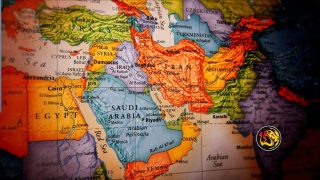
(Worthy News) – Saudi Arabia cannot normalize diplomatic relations with Israel unless the Palestinians are granted statehood, Riyadh’s ambassador to the United Kingdom, Prince Khalid bin Bandar, said during an interview with Times Radio that aired Sunday.
The ambassador made his remarks while discussing the new Trump’s administration’s interest in expanding the Abraham Accords to include Saudi Arabia. Brokered by the first Trump administration in 2020, the Abraham Accords are bilateral agreements on Arab-Israeli normalization. So far, normalization agreements have been signed between Israel and the United Arab Emirates, Bahrain, Morocco, and Sudan.
Asked what Saudi Arabia would need to enter the Accords, bin Bandar said Sunday that a Palestinian statehood is a “red line” for the Saudi Kingdom. “We cannot have a normalization with Israel without a solution for the Palestinians. And the solution for the Palestinians is a state; it is very clear,” he attested.
“That doesn’t mean we can’t have discussions. Saudi Arabia is a country that engages with everyone, whether we like it or not,” bin Bandar continued. “We believe engagement is the way to move things forward, and so we are happy to continuously engage in processes with anyone, but we do have some red lines, and for us to end the last 75 years of pain and suffering caused by one problem has to include a Palestinian state.”
Acknowledging the challenges to resolving the Israeli-Palestinian conflict, bin Bandar reflected that any solution would need to take into consideration Israel’s security requirements, especially in light of the Hamas invasion of October 7, 2023.
“We also have to remember, there’s another side, we have to find a solution that fits the Israelis,” bin Bandar said. “That adds a level of complication, particularly with the current government in Israel, but I think we have to address, when someone is struggling through emotion and trauma and difficulty, which both the Israelis and the Palestinians have been for the last year, you have to hold them, you have to be kind to them, you have to be soft with them, but you also have to be very straight, and we have to be more straight with the Israelis and say, look, this is the only option.”
Copyright 1999-2026 Worthy News. This article was originally published on Worthy News and was reproduced with permission.
Latest News from Worthy News
President Donald Trump threatened Friday to impose a 100% tariff on any country that implements a digital services tax on U.S. technology companies, a move that could add to what analysts estimate is already a $700-per-household burden from existing tariffs.
President Donald Trump told Christian conservatives Friday that America’s future depends on preserving faith, freedom, and the nation’s founding convictions, declaring that the United States will always remain “one nation under God.”

U.S. forces struck Iranian missile and drone storage facilities overnight after President Donald J. Trump condemned what he called a “foolish” Iranian attack on a commercial cargo ship transiting the Strait of Hormuz.
As the death toll from Venezuela’s devastating twin earthquakes approached 1,000 on Friday, stories of courage emerged from the rubble, including that of a young mother who sacrificed her own life to save her toddler daughter.

A court in Pakistan has acquitted a second Christian of blasphemy, just days after another believer was also cleared of similar charges.

Asbury Theological Seminary says it has been removed from The United Methodist Church’s list of approved schools for ordination candidates, ending an 80-year relationship after the evangelical institution declined to align with the denomination’s unbiblical positions on marriage and human sexuality.
Florida has permanently closed its temporary illegal immigrant holding center known as “Alligator Alcatraz” after all federal detainees were transferred to other facilities, Gov. Ron DeSantis announced June 25.