
by Karen Faulkner, Worthy News Correspondent
(Worthy News) – Arab Gulf nations have indicated that a condition for obtaining their financial aid to rebuild the Gaza Strip after the Hamas-Israel war has ended is a change in the leadership of the Palestinian Authority which currently governs only the West Bank, i24 News reports.
Coordinated by the United States, a coalition of international officials are looking ahead to a post-war Gaza and have turned to the Gulf nations to take a lead role.
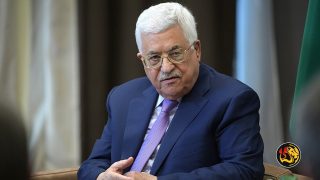
The Gulf nations’ condition follows widespread speculation that the Palestinian Authority, despite its reputation for extreme corruption, terrorism, and incompetence, could take over Gaza after the war. The President of the PA is Mahmoud Abbas, an octogenarian Holocaust denier who has clung to power since he was elected in 2005 to serve just a four-year term.
A second major condition for aid from the Gulf nations is the delivery by Israel of a political plan for dealing with the Palestinian issue going forward. According to a report by Israel’s Kan media outlet, the Gulf states are requesting “a certain type of road map, a political plan regarding the Palestinian issue.”
The details of both conditions have yet to be filled in and considered, i24News said.
In any event, Israel’s Prime Minister Benjamin Netanyahu has already asserted that the PA is not fit to run Gaza after the war. ‘[President Mahmoud Abbas] still refuses to condemn the massacre by Hamas, and his senior ministers celebrate what happened.
His authority pays the murderers, and you know how they educate their children. If there is no change in this matter, what have we done?” Netanyahu stated recently.
Copyright 1999-2026 Worthy News. This article was originally published on Worthy News and was reproduced with permission.
Latest News from Worthy News

Israeli Prime Minister Benjamin Netanyahu on Sunday formally rejected a U.S.-backed 15-point plan for Gaza, declaring that Israeli forces will not withdraw from territory in the Strip until Hamas undergoes what he called complete and genuine disarmament.

Australian aviation authorities launched an investigation Sunday after a Jetstar passenger plane and a Qatar Airways Boeing 777 narrowly avoided colliding at Sydney Airport, injuring a cabin crew member in the second near-miss at the airport within two weeks, amid mounting concerns about air traffic control staffing and safety.

Europe’s record-breaking heatwaves are exposing vulnerabilities in electricity systems increasingly dependent on weather-driven renewable energy as part of the European Union’s green agenda.

Two Christians, including a young man and a father of four, have been killed in separate attacks in Pakistan, highlighting growing concern about violence and discrimination facing the Christian minority in the Islamic nation, well-informed sources told Worthy News on Sunday.

A Christian pastor and six others have been executed in Sudan’s Nuba Mountains after being arrested by an armed faction, according to Christian Solidarity Worldwide (CSW).

Lake Mead has fallen to its lowest level since the massive reservoir was filled nearly 90 years ago, underscoring the growing strain on the Colorado River system that supplies water and electricity across much of the American West.

Two former NBA players are seeking to put the transgender-athlete debate to a real-world test, declaring their intention to enter the 2027 WNBA Draft as questions intensify over who should be eligible to compete in women’s professional basketball.