
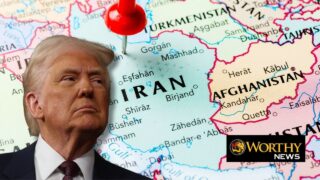
by Emmitt Barry, Worthy News Washington D.C. Bureau Chief
(Worthy News) – U.S. President Donald Trump is facing a unified message from key Middle Eastern allies: there will be no ceasefire in the ongoing conflict unless the Iranian threat is fully dismantled.
According to diplomatic sources, Trump held a series of high-level phone calls with regional leaders, including Israeli Prime Minister Benjamin Netanyahu, Saudi Crown Prince Mohammed bin Salman, and UAE President Mohammed bin Zayed. The discussions centered on the state of the war, ceasefire proposals, and the strategic future of the region.
Leaders across the Gulf made their position clear: any pause in fighting without removing Iran’s military and nuclear capabilities would only allow Tehran to regroup and rearm. 
They warned that despite recent military setbacks, Iran would likely rebuild its offensive infrastructure and continue supporting proxy forces that destabilize the region. This concern aligns with broader regional sentiment that a temporary ceasefire would ultimately prolong the conflict rather than resolve it.
President Trump has maintained a firm stance, signaling that any agreement must include strict conditions: dismantling Iran’s nuclear program, limiting its missile development, reopening the Strait of Hormuz, and ending support for terrorist organizations.
Gulf nations also indicated readiness to act. The United Arab Emirates expressed willingness to assist in reopening the vital shipping route, while Saudi Arabia signaled it could provide logistical and air support for such operations. At the same time, leaders voiced concern over Iranian threats to retaliate by targeting oil infrastructure, power stations, and desalination facilities across the region.
The coordinated message from America’s regional allies underscores a hardened strategic posture: peace cannot be achieved through temporary ceasefires, but only through confronting and neutralizing the root threat posed by the Iranian regime.
Copyright 1999-2026 Worthy News. This article was originally published on Worthy News and was reproduced with permission.
Latest News from Worthy News

France’s Parliament has approved a sweeping ban preventing children under the age of 15 from using social media, making the country the first member of the European Union to adopt a blanket nationwide prohibition.

President Donald Trump has formally approved a sweeping civilian nuclear cooperation agreement with Saudi Arabia that could eventually permit uranium enrichment inside the kingdom, according to an exclusive report by The Wall Street Journal.

President Donald Trump warned Yemen’s Iran-backed Houthi rebels that the United States is prepared to take military action if the terrorist group follows through on its threat to blockade Saudi shipping in the Red Sea.

Hungarian authorities on Tuesday raided a data center used by former Prime Minister Viktor Orbán’s Fidesz party in a major corruption investigation into the alleged misuse of public funds during his 16 years in office.

President Donald Trump’s senior political advisers gathered in Washington on Tuesday to review polling, messaging, and campaign strategy ahead of the November 3 midterm elections, according to an exclusive report by Axios.

The U.S. Treasury Department has blocked approximately $99 million in federal payments intended for people who were already dead, officials announced Tuesday.

Lebanese President Joseph Aoun pledged Tuesday that his country would work to permanently end hostilities with Israel, appealing to President Donald Trump for political and military support as Beirut seeks to disarm the Iran-backed Hezbollah terrorist organization.