
by Karen Faulkner, Worthy News Correspondent
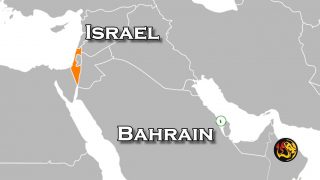
(Worthy News) – Archaeologists in the Middle Eastern country of Bahrain have unearthed an ancient residence built by the ‘long-lost’ Nestorian Church – a Christian community that thrived in the area from the 4th Century AD until Islam spread and took root 300 years later, Crosswalk reports.
The discovery of the structure came during an excavation launched in 2019 by the Authority for Culture and Antiquities under Dr. Salman Al Mahari in Bahrain and Professor Timothy Insoll from the Institute of Arab and Islamic Studies at Exeter University in the United Kingdom.
Researchers were digging at the Samahij cemetery, where they found remnants of the ancient Christian residential building hidden beneath the ruins of a 300-year-old mosque hidden beneath the ground. The residence included a kitchen, dining room, workshop, and three living spaces.
“The findings suggest the building may have been the residence of the diocese bishop, which included Samahij,” a Bahraini government media team said in a statement.
“Records also indicate a connection between the region and central church authorities, with one bishop dismissed in 410 CE and another condemned for challenging church unity in the mid-seventh century.”
“We stress the importance of this site and the need to preserve it, highlighting its historical and archaeological value,” Professor Insoll said in a separate statement. “We were amused to find someone had drawn part of a face on a pearl shell using bitumen, possibly for a child who lived in the building,” the professor continued.
“This is the first physical evidence of the Nestorian Church in Bahrain, providing a fascinating insight into how people lived, worked, and worshipped.”
Copyright 1999-2026 Worthy News. This article was originally published on Worthy News and was reproduced with permission.
Latest News from Worthy News

President Donald Trump signed the temporary peace deal with Iran ahead of schedule Wednesday at the Palace of Versailles in France, kicking off negotiations over a final nuclear deal.
Iran’s Supreme Leader Mojtaba Khamenei’s statement following the signing of a memorandum of understanding with the United States is being viewed by analysts not as an embrace of peace, but as a carefully crafted declaration that preserves Tehran’s revolutionary posture while allowing the regime to regroup.
The United States imposed new sanctions Thursday on individuals and entities linked to Hezbollah, accusing them of using political and financial influence to obstruct Lebanon’s peace process and delay the Iran-backed group’s disarmament.

Ukraine launched one of its largest drone attacks on Moscow since the war began, hitting a key oil refinery and other targets around the Russian capital, leaving at least one person dead and numerous others injured, Russian officials said.

Russian President Vladimir Putin hosted Southeast Asian leaders in Kazan this week as Moscow moved to deepen ties with the Association of Southeast Asian Nations and promote its vision of a “multipolar world order” aimed at countering U.S. global dominance.
Israeli Prime Minister Benjamin Netanyahu said Thursday that Israeli troops will not withdraw from southern Lebanon and will maintain a security zone there for as long as Israel’s defense needs require, placing Jerusalem at odds with both Tehran and the terms of a U.S.-Iran memorandum that calls for an end to hostilities in Lebanon.

U.S. Defense Secretary Pete Hegseth told NATO leaders Thursday that the Pentagon is launching a six-month review of U.S. force posture and basing in Europe, signaling a major push by the Trump administration to ensure European allies assume primary responsibility for defending the continent.