
by Emmitt Barry, Worthy News Correspondent
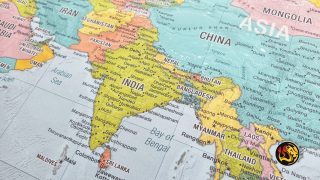
(Worthy News) – Bangladesh has imposed an internet blackout and a nationwide curfew, allowing people out only between 3 pm and 5 pm for essential errands. This follows a Supreme Court ruling on a civil service hiring quota, which has sparked violent protests, resulting in over 100 deaths over the past few days.
Riots have spread throughout Bangladesh, with buildings torched and intense clashes between students, government supporters, and police escalating tragically with estimates of the death toll of at least 100 people. The tense and volatile situation has prompted government officials to impose martial law.
Amidst the unrest, protesters targeted transportation systems, prompting police to respond with rubber bullets, stun grenades, and tear gas.
Essential websites, including those of Bangladesh’s Prime Minister Hasina and its central bank, were hacked.
As hashtags like #SaveBangladesh, #StudentsUnderAttack, and #StudentsInDanger trended globally, distressing images of injured students flooded social media, amplifying calls for justice and accountability against the violence.
In 2018, the government halted the quotas following mass student protests. However, in June, Bangladesh’s High Court reinstated them, sparking new protests. The Supreme Court, ruling on an appeal, ordered that the veterans’ quota be cut to 5%, with 93% of jobs allocated on merit and the remaining 2% reserved for ethnic minorities, and people with disabilities.
The protests pose the most serious challenge to Bangladesh’s government since Prime Minister Sheikh Hasina won a fourth consecutive term in January’s elections, which were boycotted by the main opposition groups.
Copyright 1999-2026 Worthy News. This article was originally published on Worthy News and was reproduced with permission.
Latest News from Worthy News

President Donald Trump signed the temporary peace deal with Iran ahead of schedule Wednesday at the Palace of Versailles in France, kicking off negotiations over a final nuclear deal.
Iran’s Supreme Leader Mojtaba Khamenei’s statement following the signing of a memorandum of understanding with the United States is being viewed by analysts not as an embrace of peace, but as a carefully crafted declaration that preserves Tehran’s revolutionary posture while allowing the regime to regroup.

The United States imposed new sanctions Thursday on individuals and entities linked to Hezbollah, accusing them of using political and financial influence to obstruct Lebanon’s peace process and delay the Iran-backed group’s disarmament.
Ukraine launched one of its largest drone attacks on Moscow since the war began, hitting a key oil refinery and other targets around the Russian capital, leaving at least one person dead and numerous others injured, Russian officials said.

Russian President Vladimir Putin hosted Southeast Asian leaders in Kazan this week as Moscow moved to deepen ties with the Association of Southeast Asian Nations and promote its vision of a “multipolar world order” aimed at countering U.S. global dominance.

Israeli Prime Minister Benjamin Netanyahu said Thursday that Israeli troops will not withdraw from southern Lebanon and will maintain a security zone there for as long as Israel’s defense needs require, placing Jerusalem at odds with both Tehran and the terms of a U.S.-Iran memorandum that calls for an end to hostilities in Lebanon.

U.S. Defense Secretary Pete Hegseth told NATO leaders Thursday that the Pentagon is launching a six-month review of U.S. force posture and basing in Europe, signaling a major push by the Trump administration to ensure European allies assume primary responsibility for defending the continent.